See our Canadian Dental Care Plan here

What Are the Symptoms of TMJ?
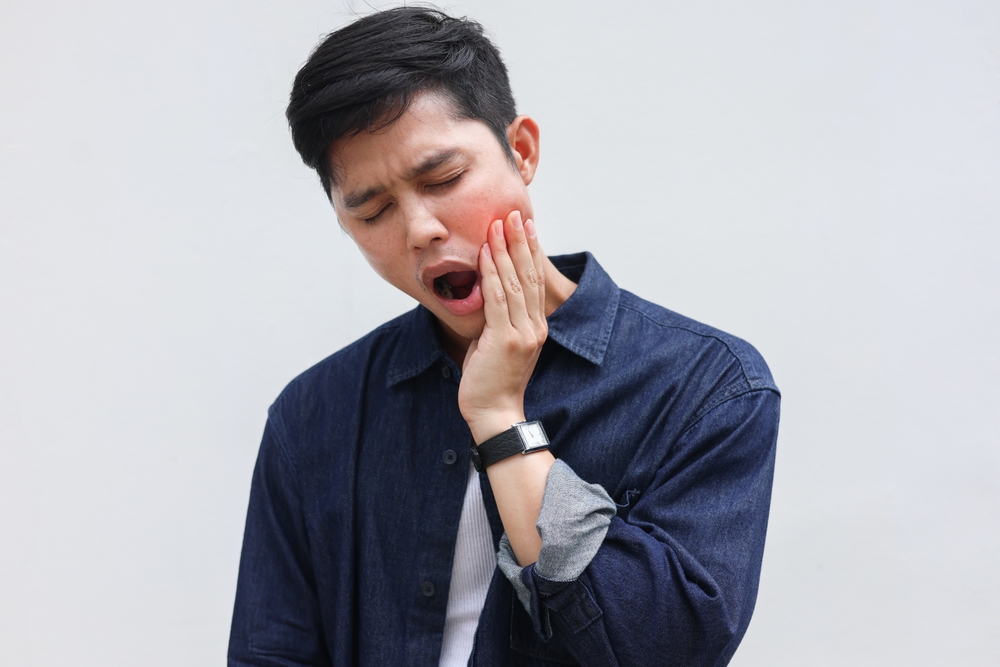
TMJ refers to the temporomandibular joints, which connect the jaw to the skull. When these joints or the surrounding muscles are not working properly, it can lead to temporomandibular disorder, often called TMD. Symptoms can range from mild discomfort to more persistent jaw pain and functional problems.
Jaw Pain and Tenderness
One of the most common symptoms of TMJ is pain or tenderness in the jaw. Some people feel discomfort directly in the joint, while others notice soreness in the chewing muscles. The pain may be constant or may get worse when talking, chewing, or yawning.
Clicking, Popping, and Jaw Stiffness
TMJ symptoms often include clicking, popping, or grating sounds when opening or closing the mouth. Jaw stiffness is also common, and some patients feel like their jaw does not move as smoothly as it should. A clicking jaw does not always mean there is a serious problem, but when it happens along with pain or limited movement, it should be evaluated.
Trouble Chewing or Opening the Mouth
Many patients with TMJ notice that chewing feels uncomfortable or that the jaw becomes tired more quickly. In some cases, the jaw may lock or feel stuck, making it harder to fully open or close the mouth. Limited jaw movement can interfere with eating, speaking, and daily comfort.
Symptoms That Can Spread Beyond the Jaw
TMJ symptoms are not always limited to the joint itself. Pain may spread into the face, around the ears, into the neck, or even contribute to headaches. Some people also notice changes in how their bite feels, as though the upper and lower teeth no longer come together normally.
Common TMJ Symptoms to Watch For
Symptoms can vary from person to person, but common signs include:
Jaw pain or tenderness
Clicking or popping in the jaw
Difficulty chewing or pain while chewing
Jaw stiffness or locking
Headaches or facial pain
Ear pain or pressure
A bite that feels different than usual
When several of these symptoms happen together, a professional evaluation can help determine whether TMJ is the cause.
When to Seek Dental Evaluation
Occasional jaw clicking may not always require treatment, but persistent pain, repeated locking, or difficulty chewing should not be ignored. A dental evaluation can help identify whether the symptoms are related to TMJ and what treatment options may help improve comfort and jaw function. Mayo Clinic notes that self-care and oral appliances are among the approaches sometimes used, depending on the case.
If you are dealing with jaw pain, clicking, or other TMJ symptoms, contact Towngate Dentall Centre in Ottawa, Ontario by calling (613) 523-8832 or visiting 2446 Bank St Unit 107, Ottawa, ON K1V 1A4.
Quick Links
Helpful Articles
article_category: products
article_category: psychiatry
article_category: faqs
article_category: cats
article_category: general
article_category: services
article_category: technology
article_category: dogs
article_category: restorative
article_category: vision therapy
article_category: contact lenses
article_category: health
article_category: conditions
article_category: eye surgery co-management
article_category: exotic
article_category: cosmetic
article_category: surgical procedures
article_category: aesthetics
article_category: preventative
article_category: ocular disease management
article_category: eyeglasses
article_category: eye health
article_category: large animal
[]
article_category: psychiatry
article_category: faqs
article_category: cats
article_category: general
article_category: services
article_category: technology
article_category: dogs
article_category: restorative
article_category: vision therapy
article_category: contact lenses
article_category: health
article_category: conditions
article_category: eye surgery co-management
article_category: exotic
article_category: cosmetic
article_category: surgical procedures
article_category: aesthetics
article_category: preventative
article_category: ocular disease management
article_category: eyeglasses
article_category: eye health
article_category: large animal
[]
Flowbite is an open-source library of interactive components built on top of Tailwind CSS including buttons, dropdowns, modals, navbars, and more.
Check out this guide to learn how to get started and start developing websites even faster with components on top of Tailwind CSS.

All Dental Services
We offer a wide variety of dental services to the Ottawa community. Contact us with any questions about our services.
Keep In Touch
For non-urgent questions or to learn more about our services, contact us today!
Quick Links
Our Services
Contact Info
Hours of Operation
- Monday 8:30am - 4:00pm**
- Tuesday 8:30am - 4:00pm
- Wednesday 8:30am - 4:00pm
- Thursday 8:30am - 4:00pm
- Friday 8:30am - 4:00pm
- Saturday Closed
- Sunday Closed
- **Open every other Monday, call for availability
- Monday
- Tuesday
- Wednesday
- Thursday
- Friday
- Saturday
- Sunday
- Monday
- Tuesday
- Wednesday
- Thursday
- Friday
- Saturday
- Sunday
© 2026 Towngate Dental Centre. All rights Reserved - Accessibility Statement - Privacy Policy - Sitemap
Managed and Designed by 